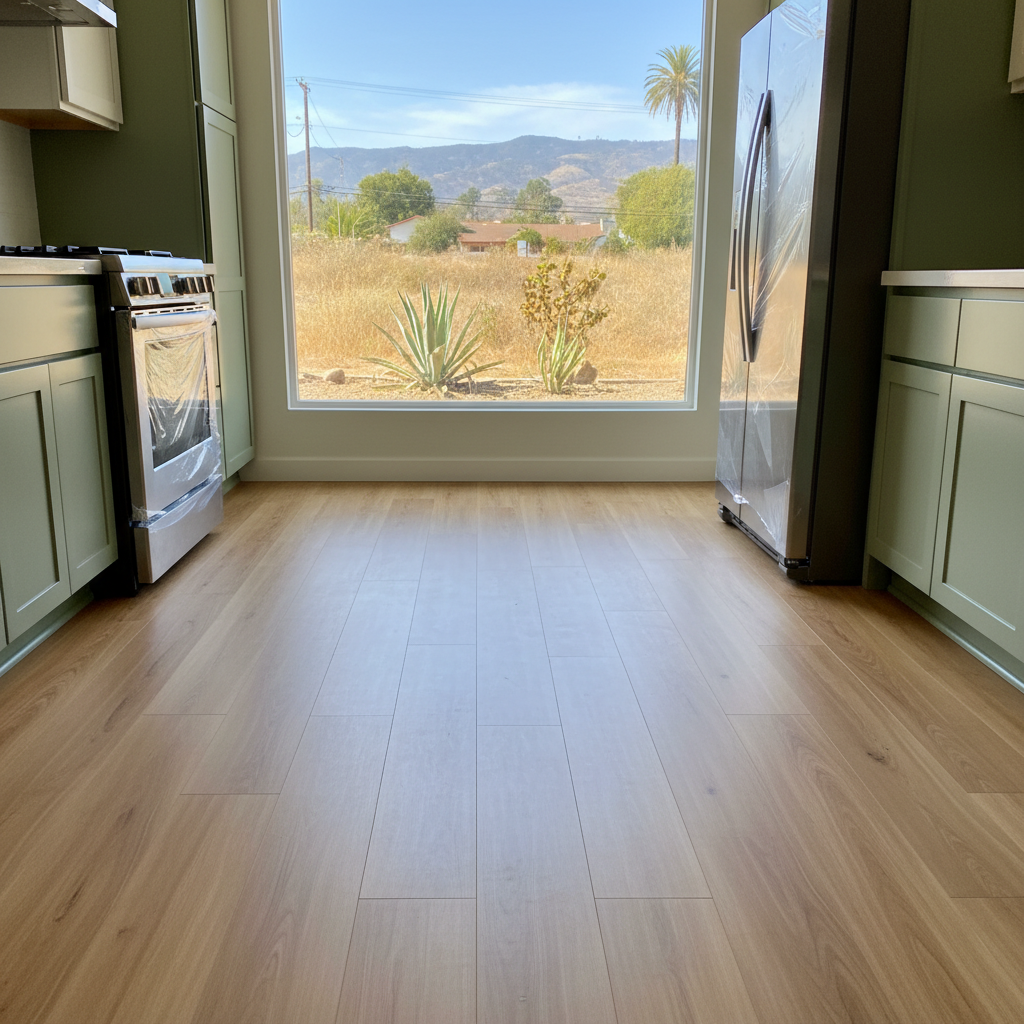
Alright, let's talk kitchen floors. It’s a big deal, right? You walk on it every day, it takes a beating, and it sets the tone for your whole kitchen. Over the years, working with folks all over Norwalk, I’ve seen some real head-scratchers when it comes to choosing and installing kitchen flooring. And trust me, you don't want to be one of those stories.
Ignoring What a Kitchen Really Needs
This is probably the number one mistake I see. People get caught up in how a floor looks in a showroom or a magazine, and they totally forget what a kitchen actually is. It’s not a living room, after all. It's a high-traffic zone, a spill zone, a drop-things zone, and sometimes, a splash zone. You’ve got cooking, cleaning, kids, pets, maybe even a leaky fridge every now and then. So, picking a floor just because it's pretty, without considering its durability and water resistance, is a recipe for disaster.
I've seen beautiful hardwood floors warp and stain in kitchens because someone didn't think about the constant moisture and spills. Laminate can be a good budget option, but if it's not a high-quality, water-resistant variety, a single major leak can swell it beyond repair. You need something that can stand up to the daily grind. Think porcelain tile, luxury vinyl plank (LVP), or even engineered wood with a tough wear layer.
Forgetting About Subfloor Prep
This is where a lot of DIYers and even some less-than-stellar contractors cut corners, and it’ll haunt you. Your subfloor is the foundation for your new kitchen floor. If it’s not flat, clean, and structurally sound, your new flooring won't last. I’ve seen new tile crack because the subfloor had too much deflection, or LVP planks start to separate because the subfloor wasn't level. Especially in older Norwalk homes, say those charming bungalows near the Civic Center, you might have some unevenness or even old linoleum adhesive that needs proper removal.
Proper preparation means checking for moisture, repairing any soft spots, leveling out high and low areas, and making sure it’s clean. Skimping here means your expensive new floor will look bad, feel bad, and fail prematurely. Don't let anyone tell you they can just lay new flooring over a questionable subfloor. It’s a red flag, plain and simple.
Choosing the Wrong Grout for Tile
If you're going with tile, the grout choice is more important than you might think. A lot of folks just pick whatever standard sanded grout the store recommends, or they go with a light color because it looks clean. Big mistake in a kitchen! Standard cementitious grout is porous. It’ll absorb spills, stain, and become a nightmare to clean. And light-colored grout? Forget about it. It’ll look grubby in no time, no matter how much you scrub.
For kitchens, you want an epoxy grout or a high-performance, stain-resistant cementitious grout. These options are much less porous, making them far more resistant to stains, grease, and moisture. They cost a little more and can be a bit trickier to install, but the long-term benefit in terms of maintenance and appearance is huge. Trust me, you'll thank yourself later when you're not on your hands and knees trying to bleach out spaghetti sauce stains.
Ignoring Comfort and Ergonomics
You spend a lot of time standing in your kitchen, right? Chopping veggies, washing dishes, baking. Hard surfaces like ceramic or porcelain tile can be tough on your feet, legs, and back over time. While they're incredibly durable and waterproof, they don't offer much give. I’ve had clients tell me they love their new tile kitchen, but they always end up putting down thick mats to stand on.
Consider options that offer a bit more resilience, like LVP, cork, or even engineered wood. If you're set on tile, think about adding an anti-fatigue mat in front of your sink and stove. It’s a small thing, but it makes a big difference in daily comfort. Don't just think about how it looks; think about how it feels to live with it.
Hiring Based Solely on Price
I get it, everyone wants a good deal. But when it comes to kitchen flooring, the cheapest bid is very rarely the best one. I’ve seen too many homeowners in Norwalk get burned by fly-by-night operations or handymen who claim they can do it all. Flooring installation, especially in a kitchen, requires precision, proper tools, and experience. A bad install can lead to cracked tiles, uneven surfaces, gaps, and premature wear.
When you're getting quotes, ask for references. Look at their past work. Make sure they’re licensed and insured. Ask about their process for subfloor prep and what kind of warranty they offer on their labor. At Classic Kitchen Remodeling, we always walk through every step with you, because we know a quality install is just as important as quality materials. Don't be afraid to ask tough questions. It’s your home, your money, and your future comfort we’re talking about.
Choosing the right kitchen floor and getting it installed correctly is a big investment. Do your homework, ask the right questions, and don't rush the process. You'll be walking on that floor for years, so make sure it's one you love and one that lasts.