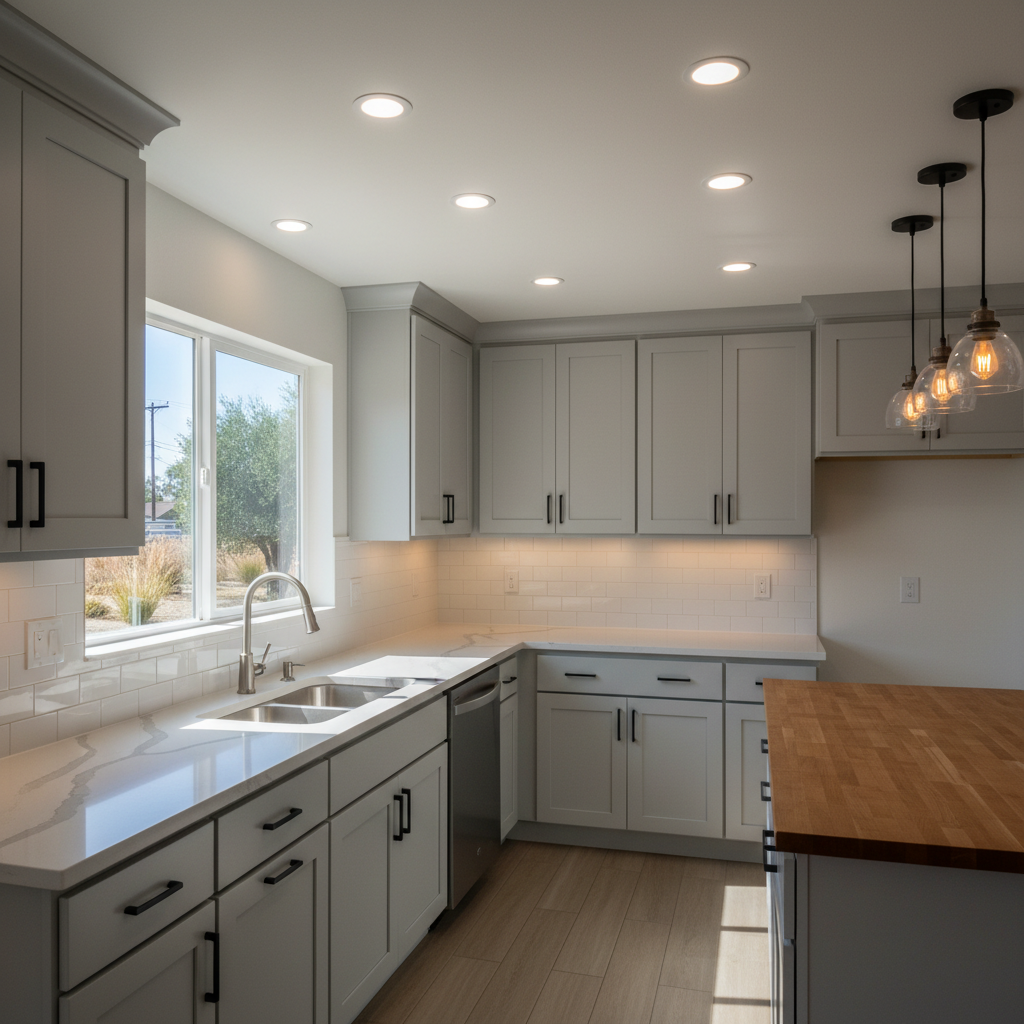
Kitchen Lighting Costs in Norwalk: Let's Talk Numbers
So, you're probably wondering what it actually costs to light up your kitchen right here in Norwalk. It's more than just picking out a cool fixture, believe me; a lot goes into that final price. I've been in this business for a long time, and I can tell you, the range can be pretty broad. For a typical Norwalk kitchen, you're usually looking at anywhere from $1,500 to $7,000 or more for a full lighting overhaul, which includes both the fixtures and installation. That's a big spread, I know, but let's dig into why.
What Drives the Price Tag?
A few key things really push the cost up or bring it down. Understanding these will help you figure out where your project might land.
- Fixture Type and Quality: This is a huge one. A basic recessed LED might run you $20-$50, but a high-end pendant or a statement chandelier? Those can easily hit $200-$800 per fixture, sometimes even more. Under-cabinet strip lighting also varies wildly, from simple LED tape at $10 a foot to custom-fit, dimmable systems that cost $50+ a foot.
- Number of Fixtures: More lights mean more material cost and more labor. Pretty straightforward, right?
- Electrical Work Complexity: Are we just swapping out existing fixtures? That's usually quick and easy. But if you're adding new circuits, moving switches, installing dimmers, or putting in lights where there were none before (especially if it means cutting into drywall and running new wiring through studs), that's where labor costs start to climb. Older homes in Norwalk, particularly those built in the 50s or 60s around the Civic Center area, often have outdated electrical systems that might need some serious upgrades to handle modern lighting. That's definitely an extra cost you'll need to factor in.
- Switching & Controls: Basic on/off switches are cheap. Adding dimmers, smart home controls, or multi-way switches for different zones adds to the material and labor.
- Ceiling Type: Working with a standard drywall ceiling is a breeze compared to a plaster ceiling or one with intricate molding. Those take more time and careful work.
- Permits: For any significant electrical changes, you might need a permit from the city. This adds a small cost (usually a few hundred dollars) and ensures the work is up to code, which is always a good thing, don't you think?
Typical Cost Ranges for Common Lighting Elements
Here's a breakdown of what you might expect for individual components:
- Recessed Lighting (Can Lights): Expect to pay $100-$250 per fixture installed. This includes the fixture itself (usually LED), wiring, and labor. If you're adding new cans where there wasn't wiring before, it'll be on the higher end.
- Under-Cabinet Lighting: For LED strips, you're looking at $30-$80 per linear foot installed. This covers the strips, transformer, and wiring. More advanced systems with motion sensors or touch controls will cost more.
- Pendant Lights: The fixtures themselves can be $50-$500+ each. Installation usually runs $75-$150 per pendant if the wiring is already there. If we're adding new boxes and wiring, it's more like $200-$350 per pendant.
- Ceiling-Mounted Fixtures (Flush Mounts, Chandeliers): Fixture cost varies wildly. Installing a standard fixture is $75-$150. A heavy chandelier that needs extra bracing in the ceiling can be $200-$400 for installation alone.
- Dimmers & Switches: A standard dimmer switch can be installed for $50-$100 (parts and labor). Smart dimmers or multi-gang switches will be more.
What's Included in a Quote from Classic Kitchen Remodeling?
When I give you a quote for kitchen lighting, here's what you can generally expect to see:
- Fixture Costs: The price of all the lights you've chosen.
- Labor for Installation: This covers the electrician's time to install everything, run new wires if needed, connect switches, and test the system.
- Materials: Wiring, junction boxes, connectors, mounting hardware, and any other bits and pieces needed for the electrical work.
- Disposal: Hauling away your old fixtures.
- Permit Fees: If a permit is required for the scope of work, I'll include that cost and handle the paperwork.
- Cleanup: We always make sure to leave your kitchen tidy.
What's usually not included unless specifically discussed are things like patching and painting drywall if significant cuts were made. We'll make the electrical work safe and functional, but cosmetic finishes might be a separate line item or handled by your painter.
How to Avoid Overpaying for Your Kitchen Lighting
Nobody wants to spend more than they have to, right? Here are my tips:
- Plan Ahead: Don't wait until the last minute. Think about where you need task lighting (over counters, stove), ambient lighting (general room light), and accent lighting (showcasing a backsplash). A good lighting plan can save you from costly changes later.
- Get Multiple Quotes: Always get at least three detailed quotes from licensed and insured contractors. Make sure they're quoting on the exact same scope of work so you can compare apples to apples.
- Consider LED: While the upfront cost might be a little more than incandescent or halogen, LEDs last way longer and use a fraction of the energy. Over time, they save you a ton on your electricity bill and replacement bulbs. It's a smart investment.
- DIY What You Can (Carefully): If you're handy and it's just a simple fixture swap on an existing circuit, you might be able to do it yourself. But for anything involving new wiring, circuit changes, or if you're unsure, please call a pro. Electrical work isn't something to mess around with.
- Be Clear About Your Budget: Tell your contractor upfront what you're looking to spend. A good contractor, like us at Classic Kitchen Remodeling, can help you make smart choices to stay within your budget without sacrificing quality or safety. Maybe that means fewer high-end pendants and more quality recessed lights.
Getting your kitchen lighting right makes a huge difference in how your kitchen looks and feels. It's an investment, but with a little planning and smart choices, you can get a beautifully lit space without breaking the bank.